Will walls reduce range?
Yes. Building materials such as concrete, brick, metal, and dense walls reduce effective distance compared with open line-of-sight ratings.

Browse complete wireless alert products for front doors, receiving areas, service entrances, driveways, counters, offices, homes, and commercial spaces.
Filtering products
Refine products
Filtering products
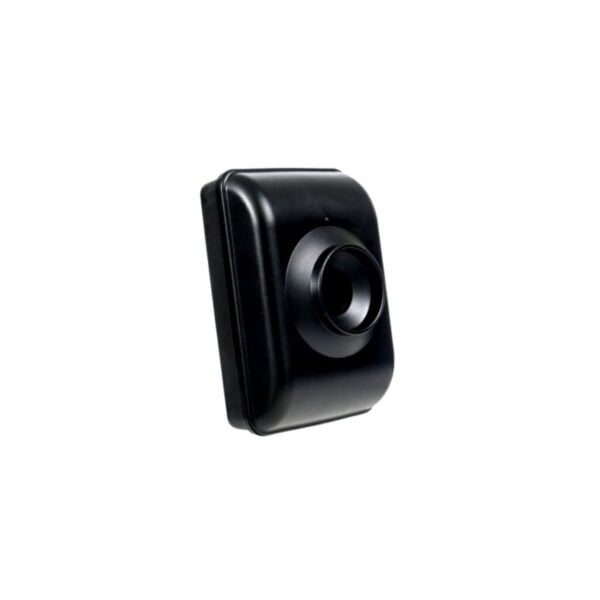
SKU: ERA-DSTX
The ERA-DSTX is an outdoor wireless motion detector with a 4,000 ft range and PIR sensing that picks up both vehicles and people. It works with every ERA receiver, including the ERA-DCRX desktop and ERA-VPRX portable units, and its weather-resistant housing holds up outdoors year-round. Use it as a driveway motion alarm or an entryway alert on large properties.
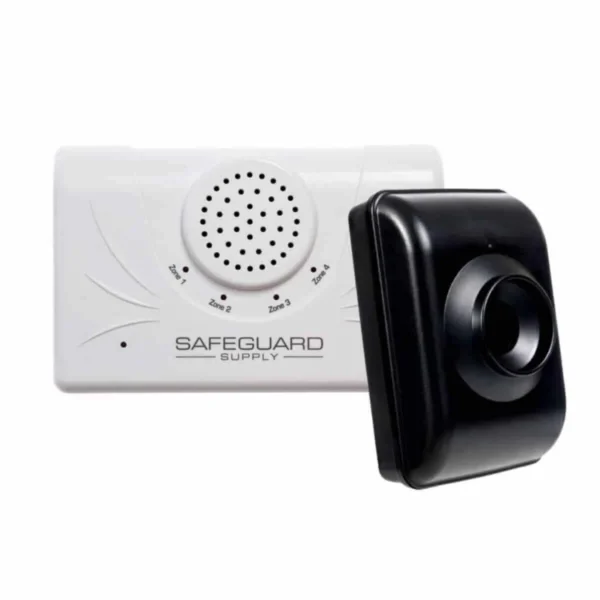
SKU: ERA-DSDCR
The ERA-DSDCR is a driveway alarm system that ships with an outdoor-rated ERA-DSTX PIR sensor and an ERA-DCRX receiver, with a range of up to 4,000 ft. It offers programmable zones, four 12V DC outputs plus a C-FORM relay for accessories, and support for up to 12 sensors. Built for large properties that need reliable vehicle and visitor detection.
Both cover a doorbell. The difference is how far the signal has to go, and how much you need to expand later.
Warehouses, retail stores, offices, loading docks, and remote entrances
Longest range, stronger commercial positioning, accessory-ready expansion
Shop ERA systemsHomes, clinics, offices, studios, and smaller business layouts
Flexible receivers, useful range, easier fit for mixed home/business needs
Shop LRA systemsThe right product depends on the trigger location and the response location. Start with doors, docks, counters, driveways, or remote buildings, then choose ERA, LRA, or SS based on range and add receivers or visual alerts where people actually need to notice the signal.
Yes. Building materials such as concrete, brick, metal, and dense walls reduce effective distance compared with open line-of-sight ratings.
Yes. Add compatible transmitters, receivers, strobes, sirens, and accessories as more doors, rooms, or work areas need alerts.
Many wireless alert systems are positioned for straightforward setup, with support content close to the buying action for compatibility and pairing questions.
Move from the product catalog into setup guides, sound previews, buying articles, and direct support.
Move from the catalog into setup guides, compatibility answers, and troubleshooting articles.
Learn moreOpen the full article and manual library when you already know the product family or problem type.
Learn moreListen to the actual alert tones before deciding on a receiver or strobe.
Learn moreCompare product families and plan your alert system before choosing a kit.
Learn moreHead back to the catalog once you know which family or alert type fits the job.
Learn moreReach the Safeguard team when the next decision still needs a human recommendation.
Learn more